The Rules of Magic
The Rules of Magic was a lesson plan created by Thandi Kahsu intended to teach The Inheritors magic in Session 2. Due to the group's distrust of her and Valeria combined with the anxiety over their loved ones, the lesson was cancelled and instead, Thandi provided the following information in pamphlet form.
Introduction
Magic is the connecting force that ties together all things. Whether it be alive or dead, incorporeal or physical, abstract or concrete, good or evil, all things carry in them a vein of magic that is connected to the cosmic body that is the universe. Different scholars call this different things. We've heard of the Great Tree theory, the Weave, and as I've said, the Cosmic Body. The common theme in all of these as you'll see is various strings, veins, or roots that connect all things and make them one. That is magic. It is the veins and the space between them as well as the whole thing itself. Wherever you find existence, you find magic.
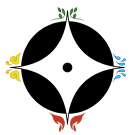
Magic is complex but we've found ways to break it down into its basest forms as well as separate it out for the ease of learning its many facets. For example, you'll see I've drawn this diagram including the following.

We have four pieces of the whole. These are the traditions of magic: Primal, Divine, Occult, and Arcane. Then we have the essences: Matter, Spirit, Mind, and Life. We'll focus on these eight pieces today.
The first piece, Traditions, are how magic is learned and practiced depending on where you are from. For example, worlds that are only slightly developed in terms of society, the magic used is 39% likely to be Primal as this tradition is the most in tune with nature. Similarly, there is a 24% chance that their magic is Occult and a 25% chance that their magic is Divine. Arcane is a more developed method of studying magic and is found in societies that are devoted to the actual study of magic itself.
Traditions
Primal
This tradition focuses on the natural connection between all things. Practitioners of primal magic are often devoted to the protection of the nature in their own worlds. Depending on your home planet, primal magic will manifest differently. For example, Welunians are from a water planet so they would practice primal magic differently from Karturians on a volcanic planet. This tradition is highly volatile as it is tied with feelings and the physical world around it.
Divine
The divine tradition is for those that follow the path of prayer and spiritual devotion. For those worlds where gods exist, they grant magical capabilities to their followers who in turn perform feats or spread their god's message. This tradition is rigid and dependent on the magic that the god can provide. For example, if a follower of a god of hunting begged their god to help them learn a new craft, that god would have no power to help the follower.
Occult
While you might assume occultism is bound to dark chanting and the summoning of monsters, the occult tradition is arguably more advanced than the divine tradition. The occult is not so focused on the power of gods or demons or devils but rather the power of heritage, myth, and community. The Occult tradition is focused on the power within us as people and the ways in which we are connected with each other. For example, when a bard performs a piece of music that fills you with confidence, that is considered an occult magic.
Arcane
Lastly, the arcane tradition is the most developed and intellectual manner of practicing magic. The arcane tradition is taught first in schools and eventually universities that focus on what we're doing here today. Arcane studies focus on defining magic as it exists in our universe, cataloguing it, and eventually mastering it. Wizards and other practitioners create the spell in our minds, use a component such as a word, a wave of a wand, a diamond, focus or in some cases, all of the above. Finally, they determine the last pieces of the spell by defining the target, range, and area of the spell. After years of practice, all of this happens within mere seconds.
Essences
Magic is composed of four distinct essences: Matter, Mind, Spirit, and Life.
Matter
Matter can be considered what we see, hear, and feel such as the elements: earth, fire, water, and wind. But it is also changes in these properties such as heat and cold, growing and shrinking, etc.
- What is an example of a thing that is strictly matter? It does not contain life, mind, or spirit. A rock, a drop of water, a breeze.
- What is an example of a thing that lacks matter? A ghost, a specter, an incorporeal being
Spirit
Spirit is the opposite of matter but a key component in the makeup of living things. Spirit is metaphysical change. It is the soul of any living thing that contains it. It is connected to good and evil, law and chaos, and carries pieces of transcendent emotions that can elevate or drag us down. Spirit is much like: motivation, hope, despair, love, inspiration! It's the ability for a being to change who they are.
- What is an example of a thing that is strictly spirit? It does not contain matter, life, or mind. The best example would be a creature made specifically and only to bring about change. As far as we know, there are no creatures like this but it's a fun thought experiment!
- What is an example of a thing that lacks spirit? Scholars debate that angels and demons are this way but it's been proven time and again that angels and demons have the ability to change. It's difficult to say any one thing is soulless but I'd argue that Thusians are a good example of a being that lacks spirit. Thusians are plant-based lifeforms that can think and have instincts but they don't dream, grow, or change aside from physical aging.
Mind
Keep in mind: the brain is not what we mean when we say Mind. Brains are Matter but they do contain chemicals that are associated with Mind, Spirit, and Life. When we say Mind, we're talking about the energy of knowledge, facts, and your rational mind, including language processing, learning facts, and conscious decision-making. But it (with the help of Spirit) also includes intellectual creativity and dreams. Emotions can be found here, too, but emotion is broad and can be composed of multiple essences.
- What is an example of a thing that is strictly mind? It has no body, no instincts, and no capacity to change. I'd argue that a database is a good example of this, though, it's difficult when the database is linked to a physical source like a computer or a network. That said, it's the closest thing I can come to.
- What is an example of a thing that lacks mind? Animals are good examples, though, not all animals fit into this category.
Life
Life, though I think it should be called Vitality, is the essence presiding over positive energy such as creation and life, and the negative energy such as destruction and death. This does not mean good or evil. This is the positive and negative of the universe. Life is the opposite of Mind because it represents irrational thought and instinct. Life is tied heavily to emotions but ones that we can't explain. It's the fear of the dark or the unshakeable faith in your cause or your god.
- What is an example of a thing that is strictly Life? It has no mind, no body, and no capacity to change. The nature vitae (or spirits) that inhabit Leshies are a good example. They're incorporeal creatures that inhabit physical forms to gain matter, spirit, and mind.
- What is an example of a thing that lacks life? Androids are a good example, they have bodies, minds, and souls but they have no instincts or vitality.